






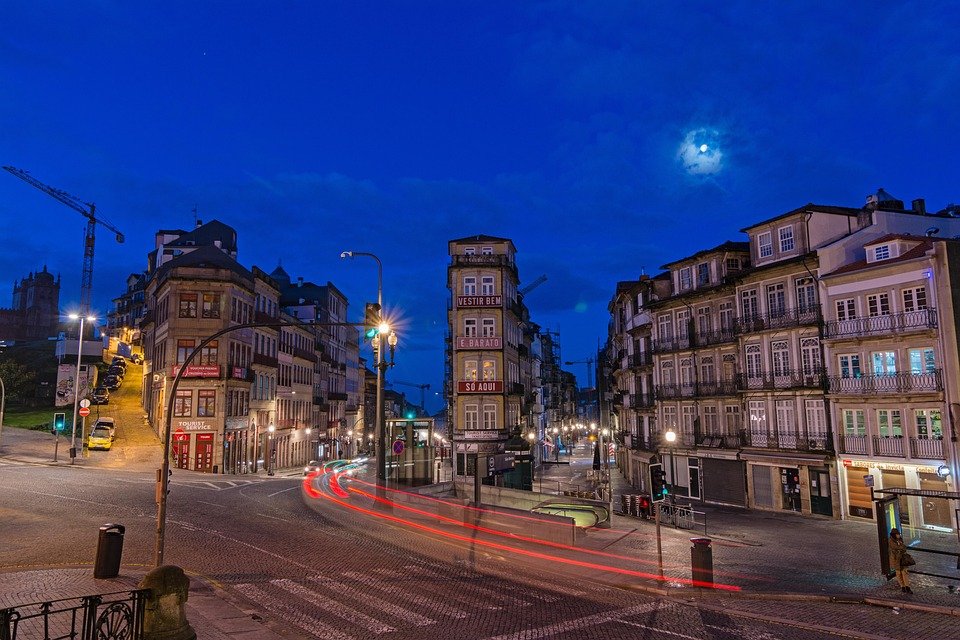

Portugal, a country of rich history and stunning landscapes, offers more than just breathtaking views and sunny coastlines. Its culinary traditions are as diverse as its geography, shaped by centuries of cultural exchange, exploration, and regional ingredients. While many are familiar with iconic dishes such as bacalhau (salted cod) and pastéis de nata (custard tarts), the depth of Portugal’s culinary scene goes well beyond these staples. Let’s explore some lesser-known yet equally fascinating traditions that highlight the country’s gastronomic heritage.
Regional Influences and Ingredients
Portugal’s culinary diversity is rooted in its various regions, each boasting unique flavors and dishes.
The Coastal Influence
Starting from the north, the Minho region offers an abundance of fresh seafood, thanks to its proximity to the Atlantic Ocean. Dishes such as sardinhas assadas (grilled sardines) and caldeirada (fish stew) showcase the ocean’s bounty. The use of local wines, particularly Vinho Verde, perfectly complements the vibrant flavors of the region.
The Heart of the Country
Moving to central Portugal, we find the towns of Coimbra and Leiria, where ingredients like wild game and mushrooms highlight rustic dishes. Chanfana, a goat stew often cooked in clay pots, is a testament to the region’s tradition of slow cooking. Meanwhile, the famed Queijo da Serra cheese offers a creamy indulgence that speaks to the pastoral charm and agricultural richness of the interior.
Culinary Treasures of the South
In the Algarve, the cuisine embraces a Mediterranean flair, combining fresh seafood with ingredients like almonds, citrus, and spices. Dishes such as cataplana (shellfish stew cooked in a copper pot) are emblematic of this sunny region. The influence of North African spices can also be seen, a remnant of Portugal’s historical trade routes.
The Azores and Madeira
Don’t overlook the islands! The Azores, with its volcanic soils and abundant waters, offers unique dishes such as cozido das Furnas, a stew cooked underground using geothermal heat. Madeira, known for its fortified wines, also delights the palate with dishes like espetada (beef skewers) and bolo do caco (traditional bread).
Sweets and Desserts
Portugal’s sweet traditions are a treasure trove for dessert lovers. While pastéis de nata are a beacon of Portuguese sweets, there are many other indulgent treats to sample. Bolo Rei, a Christmas cake studded with candied fruits and nuts, reflects the country’s festive spirit. In the Alentejo, torta de Azeitão, a rolled sponge cake filled with almond cream, is a must-try for those with a sweet tooth.
Fusion and Adaptation
Portugal’s culinary landscape has been influenced by various cultures over the centuries, leading to a unique blend of flavors and preparations. The legacy of Portuguese exploration in Africa, Asia, and South America resulted in dishes infused with exotic spices and ingredients. Take, for example, piri-piri chicken, which showcases the spicy heat of African chilis, or feijoada, a hearty bean stew with roots in both African and Brazilian cuisines.
Culinary Tourism: Beyond the Plate
For those eager to explore Portugal’s culinary heritage firsthand, consider embarking on a gastronomic journey. Beyond traditional dining, experiences such as food festivals, cooking classes, and vineyard tours provide a deeper understanding of the country’s food culture.
If you’re a foodie seeking adventure, the coastal experiences offered by Wavegarden can enhance your culinary explorations. Imagine savoring freshly caught seafood after a day of surfing perfect waves or participating in local food markets along the picturesque coastline. Wavegarden’s innovative surf parks allow visitors to immerse themselves in Portugal’s dynamic culture, combining thrilling outdoor activities with culinary delights.
Conclusion
Portugal’s culinary traditions are a mosaic of flavors, ingredients, and influences that paint a vivid picture of its rich heritage. By diving deeper into regional specialties and unique dishes, visitors can gain a broader perspective on what makes Portuguese cuisine so special. Whether you’re indulging in traditional fare or exploring modern interpretations, one thing is certain: the diverse culinary landscape of Portugal is an adventure not to be missed. So pack your bags, bring your appetite, and prepare to discover the delicious side of this beautiful nation!
For more information on surfing adventures and culinary experiences in Portugal, visit Wavegarden.